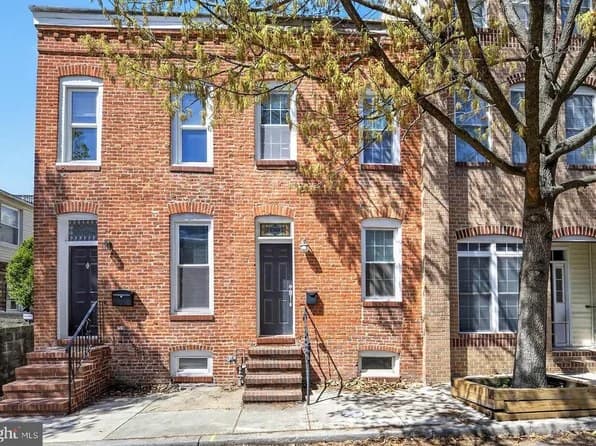
Half the calls I get from new landlords start the same way: "I just bought a rental in Baltimore, what do I actually have to file?" The answer is more involved than it should be, and the city's website does not exactly walk you through it. Here is the workflow I use for my own properties.
Step 1: Decide which jurisdiction you are in
This sounds obvious but it trips people up constantly. A property on a street called "Baltimore Avenue" might be in Baltimore City, Baltimore County, or neither. The dividing line between the city and the county runs through neighborhoods and sometimes through individual blocks. Use the Baltimore County GIS map or the Baltimore City property search to confirm before you do anything else. The two jurisdictions have separate registration systems and separate fee schedules.
Step 2: Register the property
Baltimore City:
- Go to Baltimore City's rental property registration page.
- Create an account if you do not have one.
- Register the property as a "Non-Owner Occupied" rental. The fee is currently $40 per registration, valid for two years.
- If you own the property in an LLC, the LLC's resident agent has to be listed. Get this right - the city will reject the registration if the agent on file with the State Department of Assessments and Taxation does not match.
Baltimore County:
- Go to the Baltimore County rental registration site.
- Submit the application with proof of ownership (deed, settlement statement, or current tax bill).
- County fees are lower than city fees but the inspection requirements are similar. Plan on the same prep work either way.
Step 3: Get the inspection done
Both jurisdictions require an inspection by a registered home inspector. The inspection has to happen before the license is issued, and it has to be uploaded to the city or county portal within 60 days of the inspection date.
A few things that catch landlords off guard:
- The inspector has to be on the city or county's approved list. You cannot use an out-of-state inspector or someone who is licensed for new-construction work but not rentals.
- The inspection report has a specific format the city expects. I produce mine in the format directly so the upload works on the first try.
- If the property has any open code violations from a previous owner, those have to be cleared before the license can be issued. Check your property's violation history before you schedule the inspection.
We perform Baltimore City and Baltimore County rental inspections with no re-inspection fees. If something fails, we tell you what to fix, and we come back to verify the repair without charging again.
Step 4: Upload the documents
Both jurisdictions want the same package:
- Completed registration form
- Proof of ownership
- Inspection report (in the prescribed format)
- Lead paint certificate, if the property was built before 1978
- Proof of insurance, in some cases
The lead paint piece is the one I see go wrong most often. Maryland's lead law applies to rental units built before 1978, and your inspector cannot sign off on the lead piece unless they are also a certified lead inspector. We are happy to refer you to the lead inspectors we use for our own properties.
Step 5: Pay the licensing fee
Once everything is approved, the city or county issues the rental license. The license fee is separate from the registration fee.
- Baltimore City - $50 per unit per year, with discounts for multi-unit buildings under the same ownership.
- Baltimore County - fee varies by unit count; check the current fee schedule on the county site.
Step 6: Set a renewal reminder
Both jurisdictions renew. The city is on a two-year cycle for registration and one-year for the license. The county is on a one-year cycle. Put it in your calendar with a 60-day lead time so you can schedule the renewal inspection without rushing.
The piece most landlords miss
The registration and licensing system is designed for a landlord who reads the website carefully, files everything correctly the first time, and never makes a mistake on a form. In practice almost nobody hits that bar on their first property. If you are starting out, plan on at least one rejection and a callback from the city.
If you want a second set of eyes before you file, we run pre-inspection walkthroughs so your property is ready to pass the first time. Getting the inspection right is the surest way to make sure the first application is the last one.